The Game Loop
Prerequisite: You must purchase an Operator's Pass before creating a character. Each character requires its own pass.
Understanding the core loop helps you progress efficiently and enjoy everything Reticle Cold War offers.
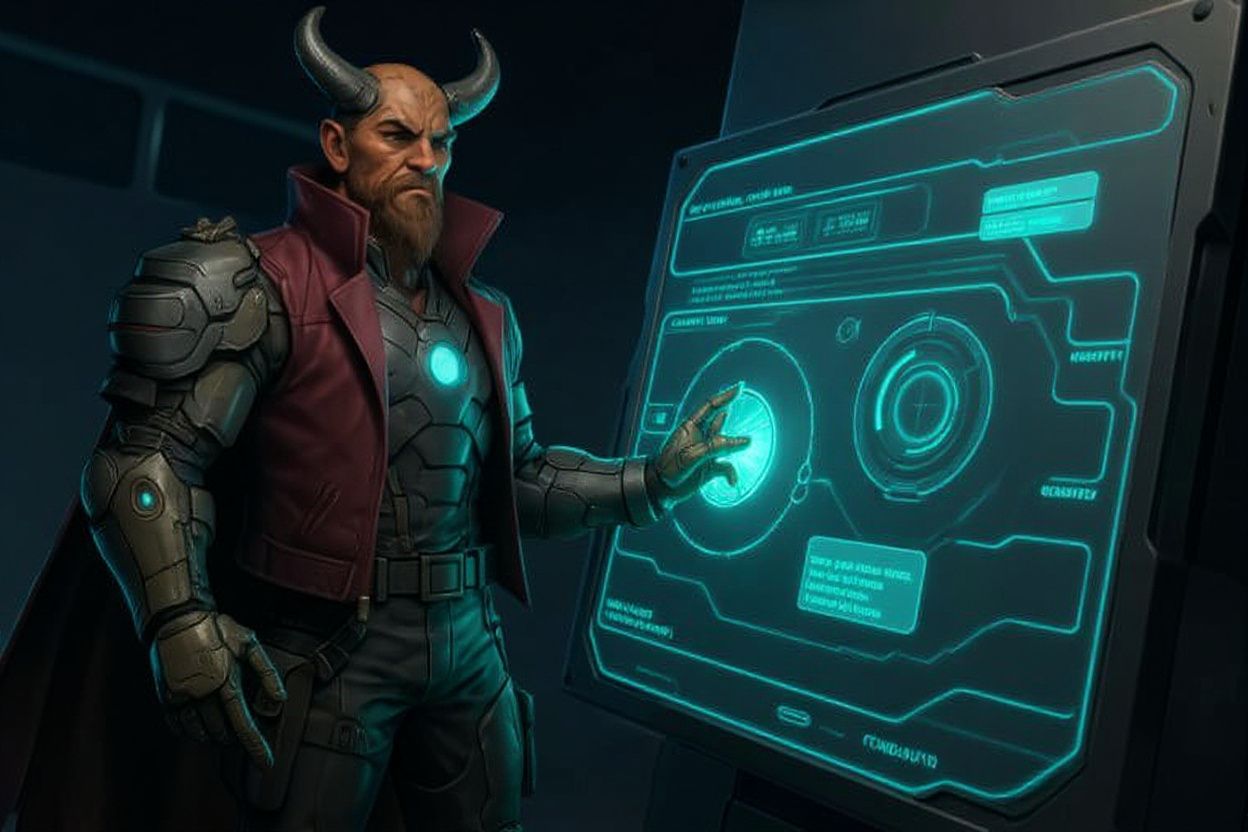
The Core Cycle
┌─────────────────────────────────────────────────────────────────────┐
│                                                                     │
│   ACTIVITY                    PROGRESSION                           │
│   ────────                    ───────────                           │
│                                                                     │
│   Missions, Combat,     ───►  Character XP + Skill XP               │
│   Intel Ops, Mini-games       (direct progression)                  │
│                                                                     │
│         │                                                           │
│         ▼                                                           │
│                                                                     │
│   Activity Level        ───►  Data Shard Availability               │
│   (how active you are)        (more activity = more shards)         │
│                                                                     │
│         │                                                           │
│         ▼                                                           │
│                                                                     │
│   Forge Engine          ───►  Forge Point Generation                │
│   + Economic Conditions       (maintenance + ecosystem health)      │
│                                                                     │
│         │                                                           │
│         ▼                                                           │
│                                                                     │
│   Forge Points          ───►  Skill Upgrades + Crafting             │
│                               (permanent improvements)              │
│                                                                     │
│         │                                                           │
│         ▼                                                           │
│                                                                     │
│   Greater Skills        ───►  Better Performance                    │
│   Better Equipment            (missions, crafting, combat)          │
│                                                                     │
│         │                                                           │
│         ▼                                                           │
│                                                                     │
│   Skill Levels          ───►  Great Sync Contribution Power         │
│                               (higher skills = stronger influence)  │
│                                                                     │
│         │                                                           │
│         ▼                                                           │
│                                                                     │
│   Great Sync Results    ───►  Individual Rewards                    │
│   (96-hour cycle)             (Memory Fragments, Attractors)        │
│                                                                     │
└─────────────────────────────────────────────────────────────────────┘
Step by Step
1. Engage in Activities
Everything you do generates two types of progression:
| Output | Description |
|---|---|
| Character XP | Overall character advancement |
| Skill XP | Progression in specific skill areas based on activity type |
Activity examples:
- Missions → Character XP + relevant skill XP (varies by mission type)
- Combat operations → Combat skill XP + Tactical Planning XP
- Intelligence gathering → Pattern Recognition XP + Analytical Thinking XP
- Mini-games → Skill XP based on career path
- Crafting → Items boost skill XP acqusition and bonuses
2. Activity Impacts Data Shard Availability
Your activity level determines how many Data Shards you receive:
- Higher activity = more Data Shards delivered to your account
- Inactive players receive fewer Shards, ultimately declining to 0 with prolonged inactivity
- The system rewards consistent participation
Data Shards decay over time—load them into your Forge Engine before supply degrades.
3. Forge Engine Generates Forge Points
Your Forge Point generation depends on three factors:
| Factor | Impact |
|---|---|
| Engine Maintenance | Well-maintained engines generate more FP |
| Economic Conditions | Ecosystem-wide Predator/Producer balance affects rates |
| Individual Activiites | Your individual crafting, inventory, FP spending and market success affects FP generation; for example players crafting items that aren't aligned with market needs (linger on market, may see lower FP generation rates) |
Keep your Forge Engine maintained, monitor economic conditions and your individual FP generation modifier to optimize FP generation.
Learn about the Homeostatic Economy →
4. Spend Forge Points on Advancement
Forge Points are the primary in-game currency:
| Use | Result |
|---|---|
| Skill Upgrades | Permanently improve skill levels |
| Item Crafting | Create equipment, consumables and cosmetics |
| Engine Maintenance | Improve FP generation rates |
| Faction Advancement | Build relationships and unlock content |
5. Higher Character Progression and Skills Improve Everything
As your skills and character level increases, you gain advantages across all activities:
- Missions: Higher success rates, more options, better rewards
- Crafting: Access to advanced blueprints, and items
- Combat: More commands unlocked, better tactical options
- Skill Checks: Pass thresholds you previously couldn't
This creates a positive feedback loop—better skills lead to better performance, which generates more XP and resources.
6. Skills Impact Great Sync Contribution
Your skill levels directly affect your contribution power in the Great Sync competition:
- Higher skills = stronger contribution to your faction's Memory Machine
- Stronger contribution = better individual and machine placement
- Better placement = more rewards
Every 96 hours, the Great Sync distributes:
- Memory Fragments — Based on contribution and faction performance
- Attractor Rewards — Odds-based reward delivery (to players feeding their Attractors with memory fragments)
The Reinforcing Loop
The game loop is self-reinforcing:
More Activity → More XP + More Shards
     │
     ▼
More FP → More Skill Upgrades + Better Equipment
     │
     ▼
Higher Skills → Better Performance + Stronger Great Sync Power
     │
     ▼
Better Rewards → More Resources → Even More Activity
Players who engage consistently compound their advantages over time.
Skill Checks: The d20 Roll System
Skill checks determine success or failure throughout the game—in missions, crafting, combat, and more.
Reticle Cold War uses a d20 roll system similar to tabletop RPGs like D&D:
d20 Roll + Skill Bonus vs. Difficulty Target
How it works:
- The system rolls a 20-sided die (1-20)
- Your relevant skill bonus is added to the roll
- The total is compared against a difficulty target (10-24)
- Meet or exceed the target = success
Critical rolls:
- Natural 1: Automatic failure (5% chance, regardless of bonuses)
- Natural 20: Automatic success (5% chance, regardless of difficulty)
Higher skills dramatically improve your odds, but the dice ensure outcomes are never guaranteed. An operative with skill level 18 has excellent odds—but can still fail difficult checks. Every roll matters.
Full skill mechanics & strategy →
Daily Operations
A typical session might include:
Check-In
- Visit the Operative Evolution Center
- Load Data Shards into Forge Engine
- Check Forge Engine maintenance status
- Review available missions and opportunities via the in-game task manager
Core Activities
- Complete 1-2 missions (generates XP + activity for Shards)
- Participate in combat operation (combat skill XP)
- Play Confluence or TriDyak (cognitive skill XP)
- Craft items (if FP available)
Advancement
- Spend accumulated FP on skill upgrades
- Contribute to Memory Machine (during Great Sync)
- Plan next session priorities
Common Mistakes
Mistake: Hoarding Data Shards without loading them Fix: Load regularly—they decay!
Mistake: Neglecting Forge Engine maintenance Fix: Maintain your engine to maximize FP generation
Mistake: Spreading skills too thin Fix: Select a career so that skill XP can be focused in a specific area for faster progression
Mistake: Ignoring activity levels Fix: Consistent activity increases Shard availability
Mistake: Forgetting Great Sync timing Fix: Track the 96-hour cycle and contribute when active
Next Steps
- Skills & Skill Checks — Deep dive on the skill system
- The Homeostatic Economy — Understanding the Forge Engine and resources
- Great Sync Cycles — The 96-hour competition
- The Operative Evolution Center — Your daily hub